

Neighbour’s Tree Overhanging My Property – What Can I Do?
Trees growing across property boundaries are one of the most common causes of concern between neighbours.
A tree may be completely healthy but have branches extending over a fence, touching a roof, dropping leaves into gutters or growing close to buildings.
So what can you actually do when your neighbour’s tree starts affecting your property?
In most situations, the best solution starts with good communication, understanding the local council rules and finding a practical way to manage the tree without unnecessarily damaging or removing it.

Start With a Conversation
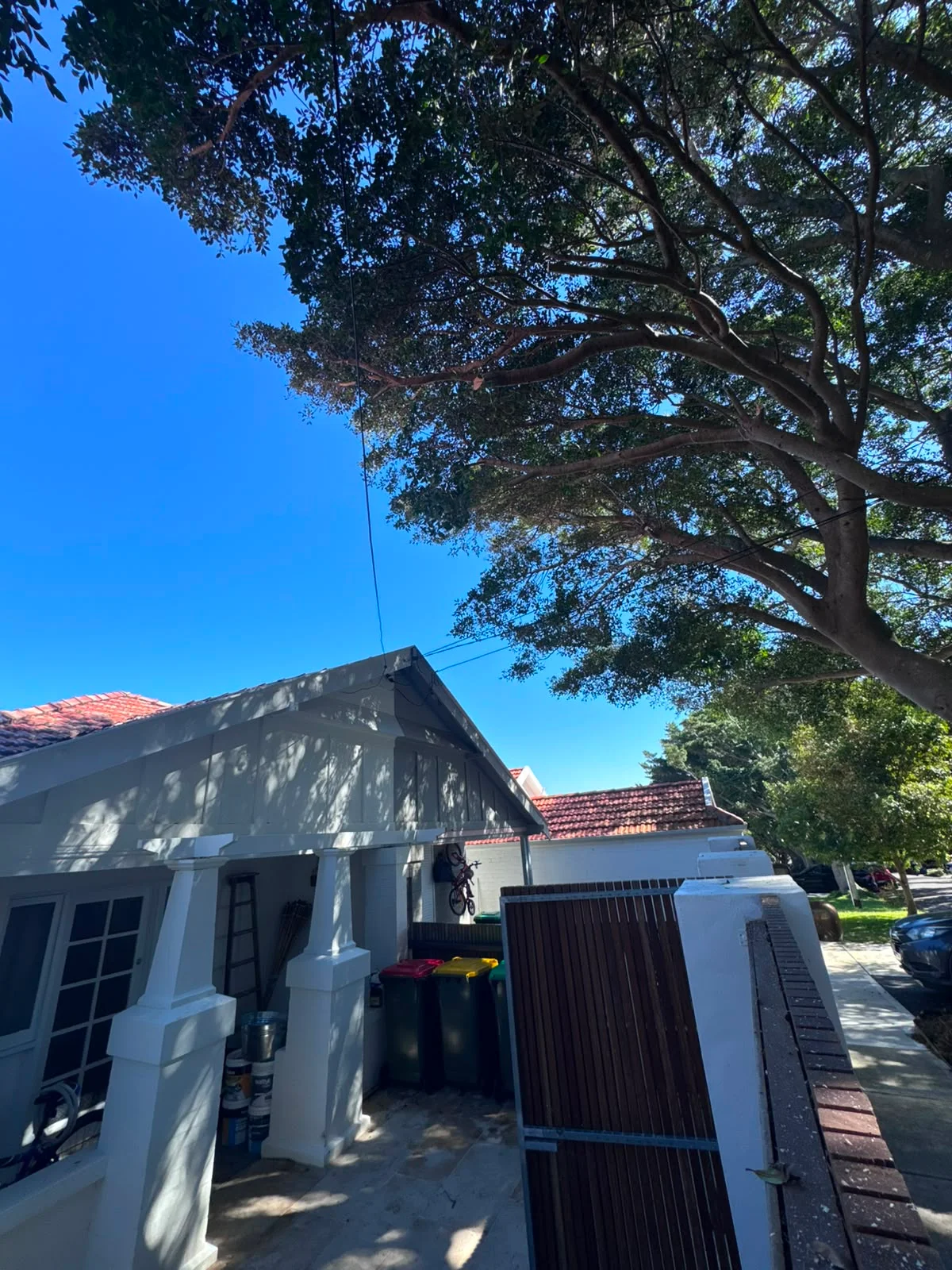
Before turning a tree problem into a neighbour dispute, having a friendly conversation is usually the best place to start.
Your neighbour may not even realise that their tree is causing a problem on your side of the boundary.
Show them what is happening and explain the issue clearly.
It might be branches touching your roof, deadwood hanging over your backyard, excessive overhang above a fence or branches rubbing against the building.
In many cases, the solution may simply be professional pruning to create appropriate clearance while keeping the tree healthy.
Getting an arborist to inspect the tree and provide a clear quote can also make the conversation easier because both neighbours can understand exactly what work is being proposed.
Can I Cut My Neighbour’s Tree Back to the Boundary?
This is where homeowners need to be careful.
It is often assumed that anything growing across the boundary can simply be cut back. However, protected-tree regulations and local council requirements can still apply.
The rules also vary between Sydney councils.
For example, Randwick City Council states that an application is required when pruning a tree located on a neighbouring property. Without the tree owner’s consent to enter their property, Council can only approve selective pruning of branches located within the applicant’s property.
Waverley Council also requires written consent from the tree owner for applications involving pruning or removal of trees on neighbouring property.
For this reason, don’t assume that the property boundary automatically overrides council tree controls.
Before carrying out substantial pruning, check the requirements for your particular council and property.
Who Pays for Pruning a Neighbour’s Tree?
This is another question we hear regularly.
Unfortunately, there isn’t always a simple answer such as “the owner of the tree always pays”.
For example, Randwick City Council specifically explains that agreements or disagreements regarding pruning works and who pays for them are private matters between the affected parties.
The best approach is usually to discuss the problem with your neighbour before arranging the work.
A professional arborist can provide a written quote describing exactly what needs to be pruned. The neighbours can then discuss how the cost will be handled before work begins.
Keeping the conversation friendly at this stage can prevent a relatively straightforward tree-pruning job from developing into a much larger dispute.
What If My Neighbour Refuses to Prune the Tree?
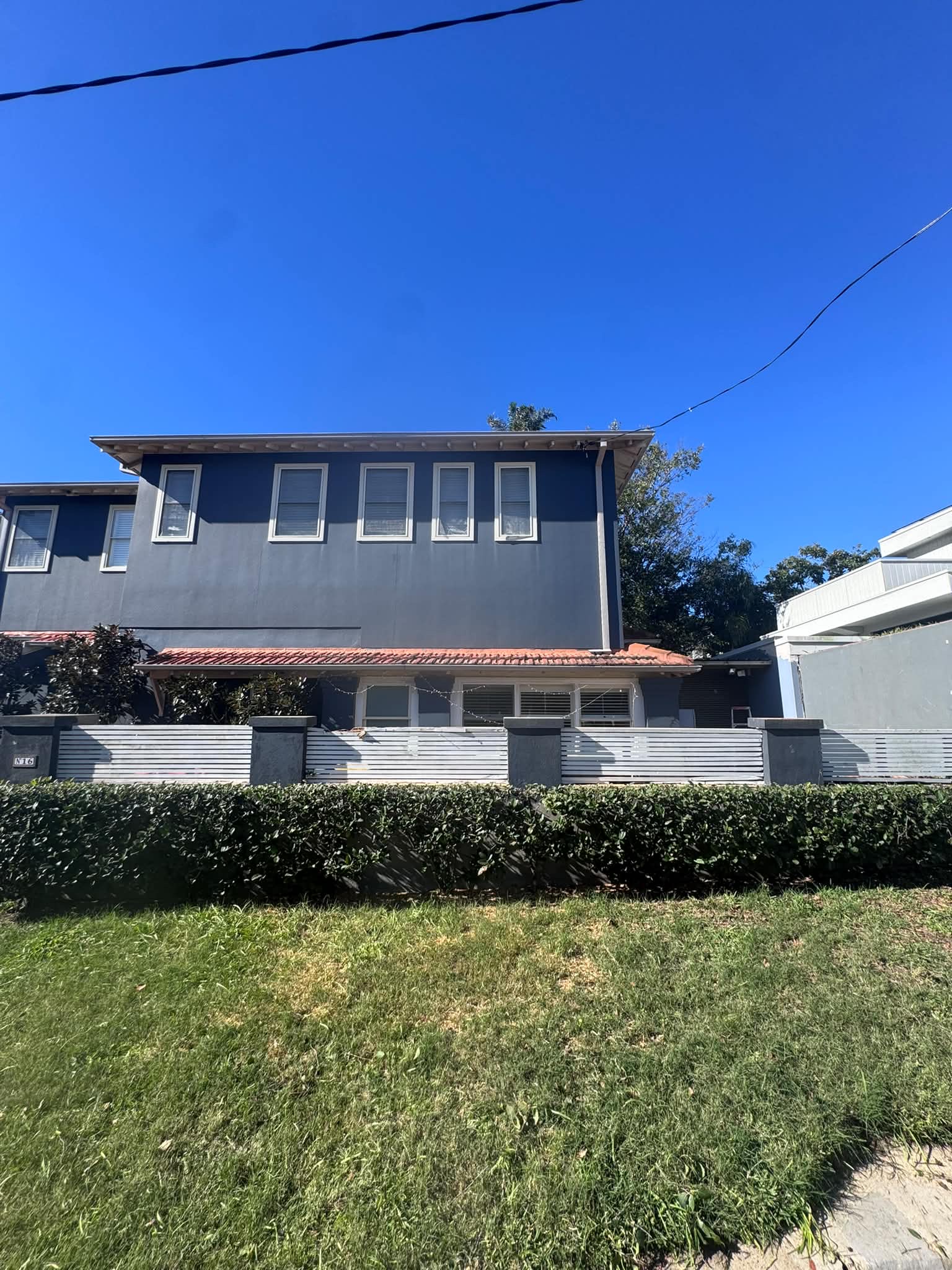
Councils generally don’t act as mediators for ordinary private disputes between neighbours.
If a neighbour’s tree is causing, or is likely to cause, property damage and an agreement cannot be reached, there are legal avenues available in NSW.
Depending on the circumstances, an application may ultimately be made to the NSW Land and Environment Court under legislation dealing with tree disputes between neighbours.
This should generally be considered after reasonable attempts have been made to resolve the issue directly.
For specific legal questions about responsibility, property damage or compensation, homeowners should obtain appropriate legal advice.
What If the Tree Is Dangerous?
A dangerous tree is different from a tree that is simply inconvenient.
A tree may require more urgent attention if there are concerns such as:
- Large dead branches
- Major structural defects
- Significant tree failure
- A tree or branch presenting an imminent risk to people or property
Some councils have processes for dealing with trees that present an immediate danger.
Randwick City Council, for example, states that where a neighbouring owner refuses to make a tree safe and it poses an imminent danger to people or property, Council may serve notice requiring the owner to remove the tree.
If you believe a tree presents an immediate safety risk, contact the relevant council or emergency service as appropriate rather than attempting dangerous tree work yourself.
What About Trees Touching Roofs, Gutters and Fences?
Not every neighbour tree problem requires tree removal.
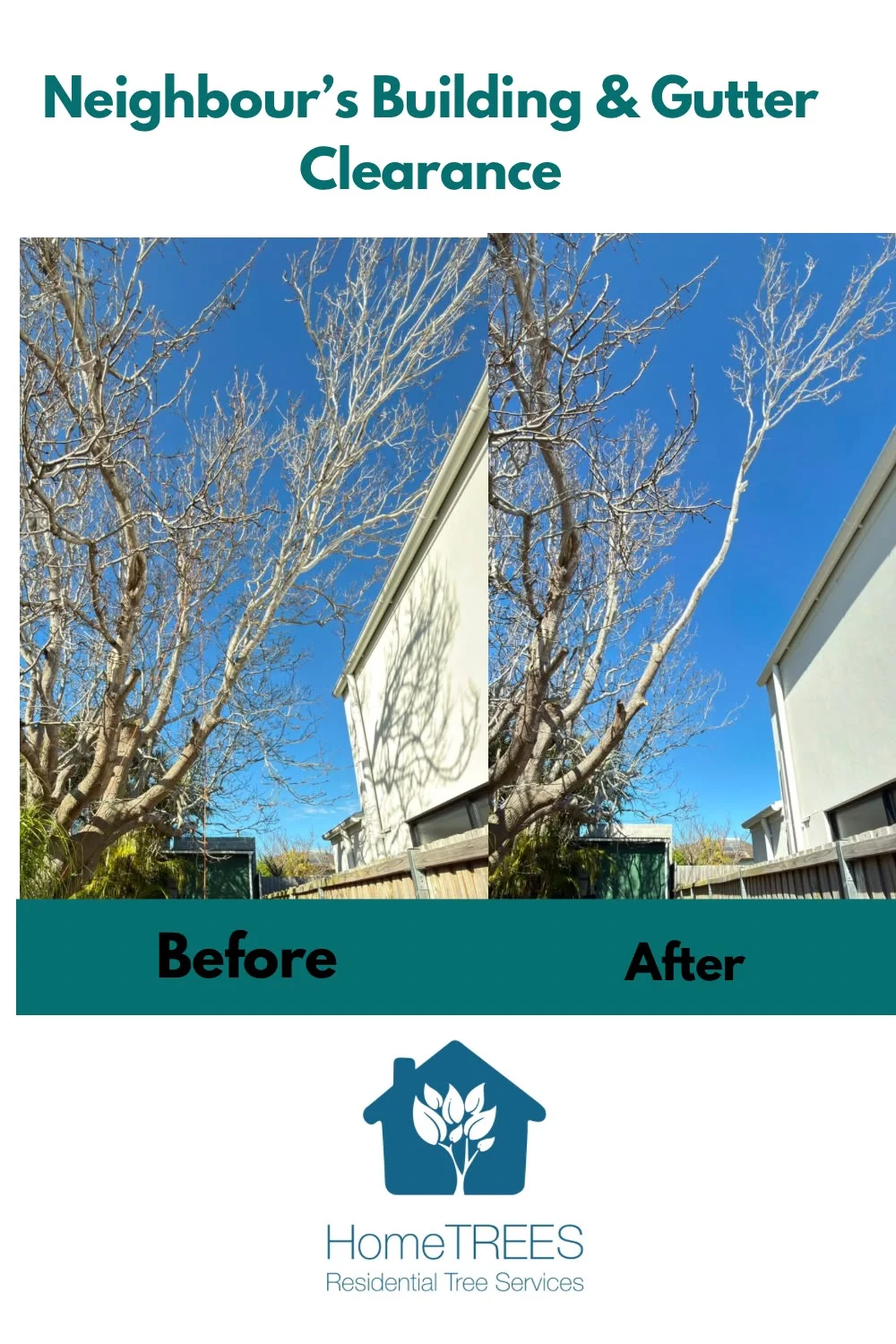
Often the issue can be resolved through selective building-clearance or boundary pruning.
Professional pruning may help create clearance from:
- Roofs
- Gutters
- Windows
- Balconies
- Fences
- Garages
- Driveways
- Access areas
The aim should be to remove only what is necessary while maintaining the tree’s health, structure and natural form wherever possible.
This can often provide a much better outcome for both neighbours than unnecessary tree removal.
Council Rules Can Be Different
There is no single tree-pruning rule that applies to every property across Sydney.
Requirements can vary depending on:
- The local council
- Tree species
- Tree size
- Amount of pruning proposed
- Heritage controls
- Property location
- Whether the tree is protected
- Whether the tree presents an immediate risk
That means advice that applies to a property in Coogee may not necessarily be identical to the requirements for a property in Bondi, Balmain or Marrickville.
Always check the current council requirements before carrying out significant work on a neighbouring tree.
Neighbour Tree Pruning in Sydney’s Eastern Suburbs
Home Tree Services regularly assists homeowners with tree pruning, building clearance and boundary-tree issues throughout Sydney’s Eastern Suburbs, including:
Coogee, Maroubra, Randwick, Clovelly, Matraville, South Coogee, Kensington, Kingsford, Bondi, Bronte, Waverley, Rose Bay and Vaucluse.
Properties in these established suburbs often have mature trees growing close to boundaries, houses and neighbouring properties.
In many situations, careful pruning can provide the required clearance without removing the tree.
Neighbour Tree Pruning in Sydney’s Inner West
Neighbouring trees are also a common issue throughout Sydney’s Inner West, particularly on smaller blocks where houses, fences and mature trees can be positioned close together.
We provide tree pruning and arborist services throughout areas including:
Balmain, Marrickville, Petersham, Stanmore, Leichhardt, Ashfield, Newtown, Dulwich Hill, Five Dock, Abbotsford and surrounding Inner West suburbs.
Inner West Council also advises that where a neighbour’s tree is causing or likely to cause property damage and the neighbour is uncooperative, affected property owners can seek advice from the NSW Land and Environment Court.
How Can an Arborist Help?
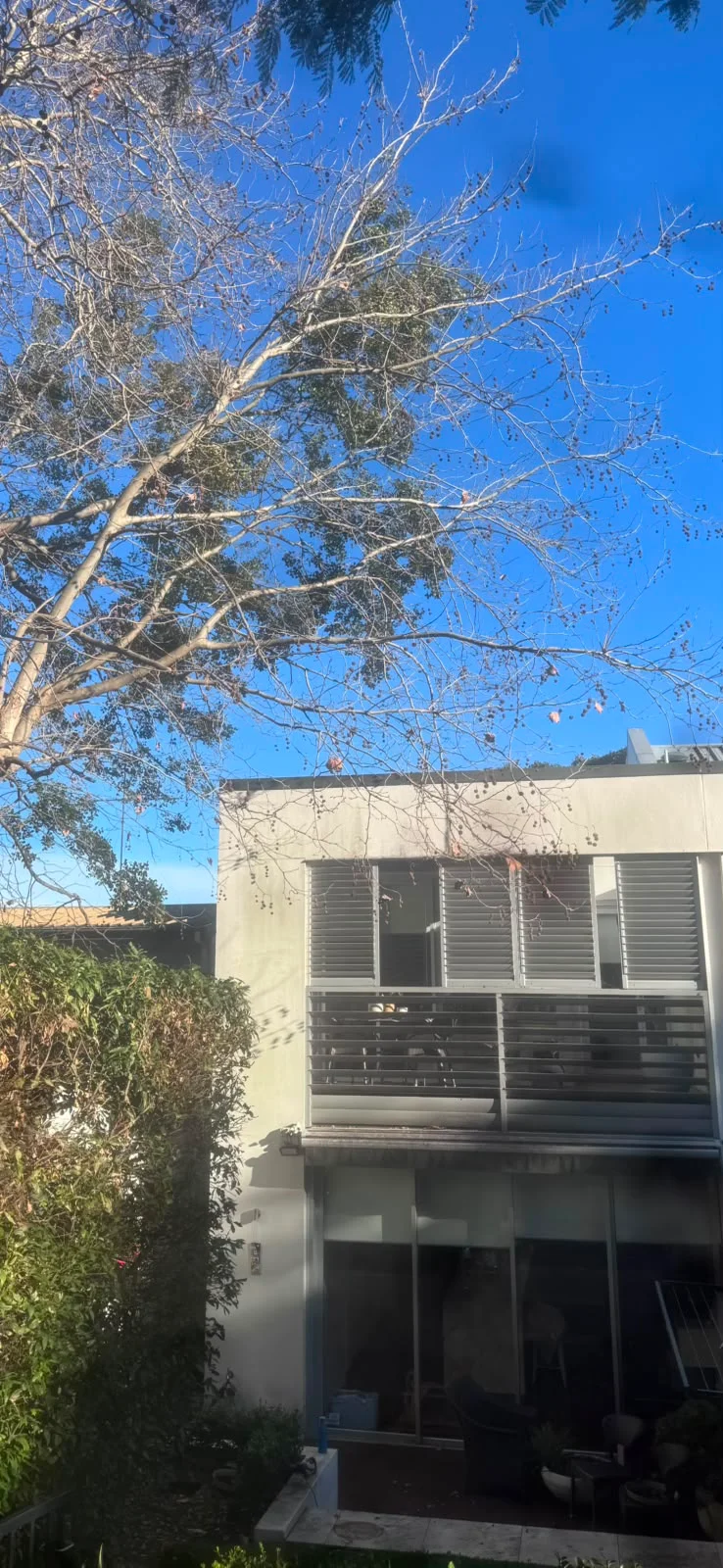
An arborist can often help before a neighbour tree issue becomes a dispute.
A professional assessment can identify:
- Which branches actually need pruning
- Whether building or boundary clearance can solve the problem
- Whether the tree appears structurally unsafe
- How much pruning can be carried out without unnecessarily damaging the tree
- Whether council approval may be required
- The safest method of completing the work
Most importantly, a clear professional recommendation gives both neighbours something practical to discuss.
The goal should always be to find a solution that protects the property, respects the neighbour and, wherever practical, keeps a healthy tree healthy.
If you have a neighbouring tree overhanging your property or you’re unsure what can safely be pruned, Home Tree Services can inspect the tree and provide practical arborist advice.
Home Tree Services
Your Safe Choice for All Tree Services.