Home Tree

Tree Touching Your Roof? Here’s What You Should Do
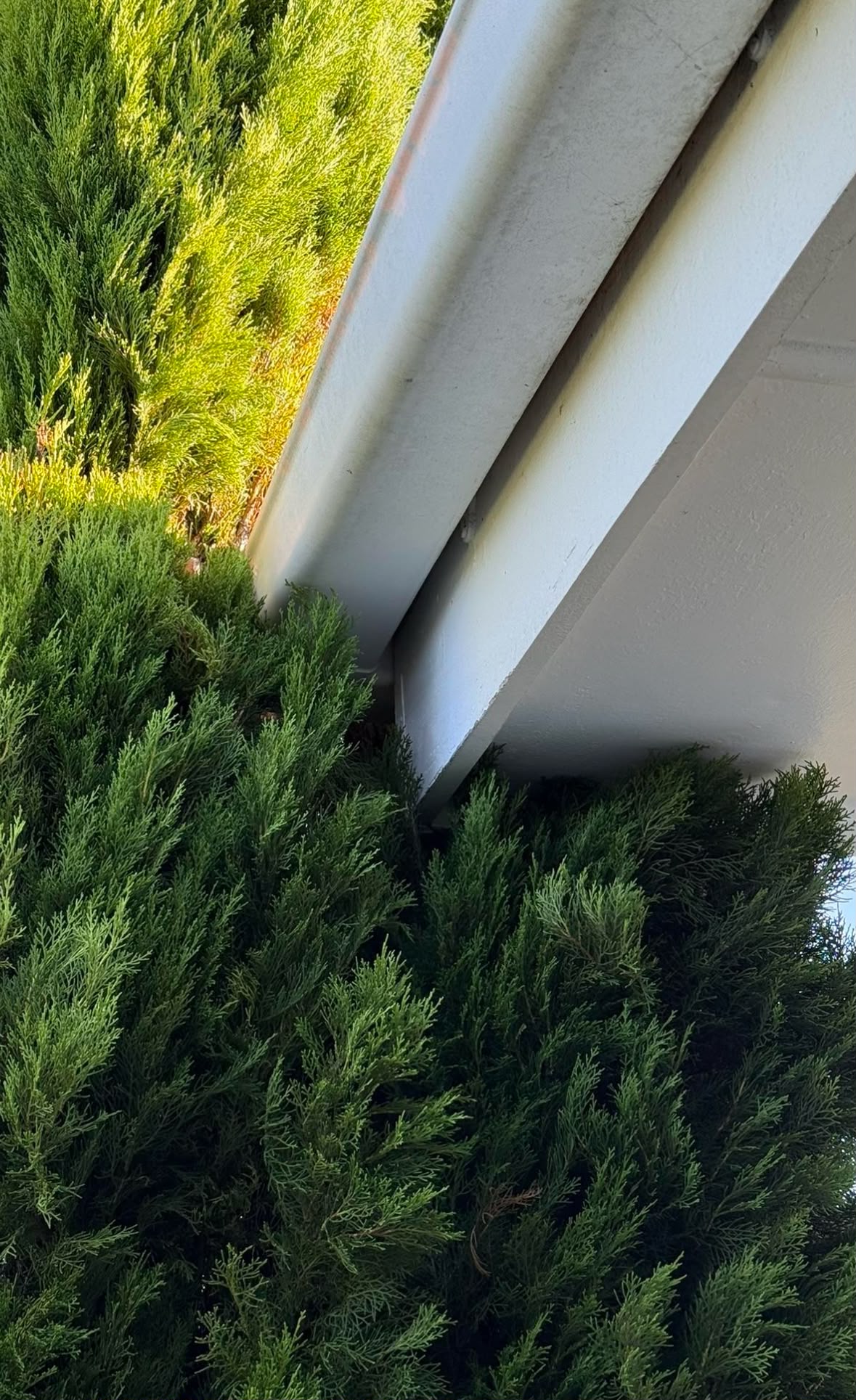
Tree Touching Your Roof? Here's What You Should Do

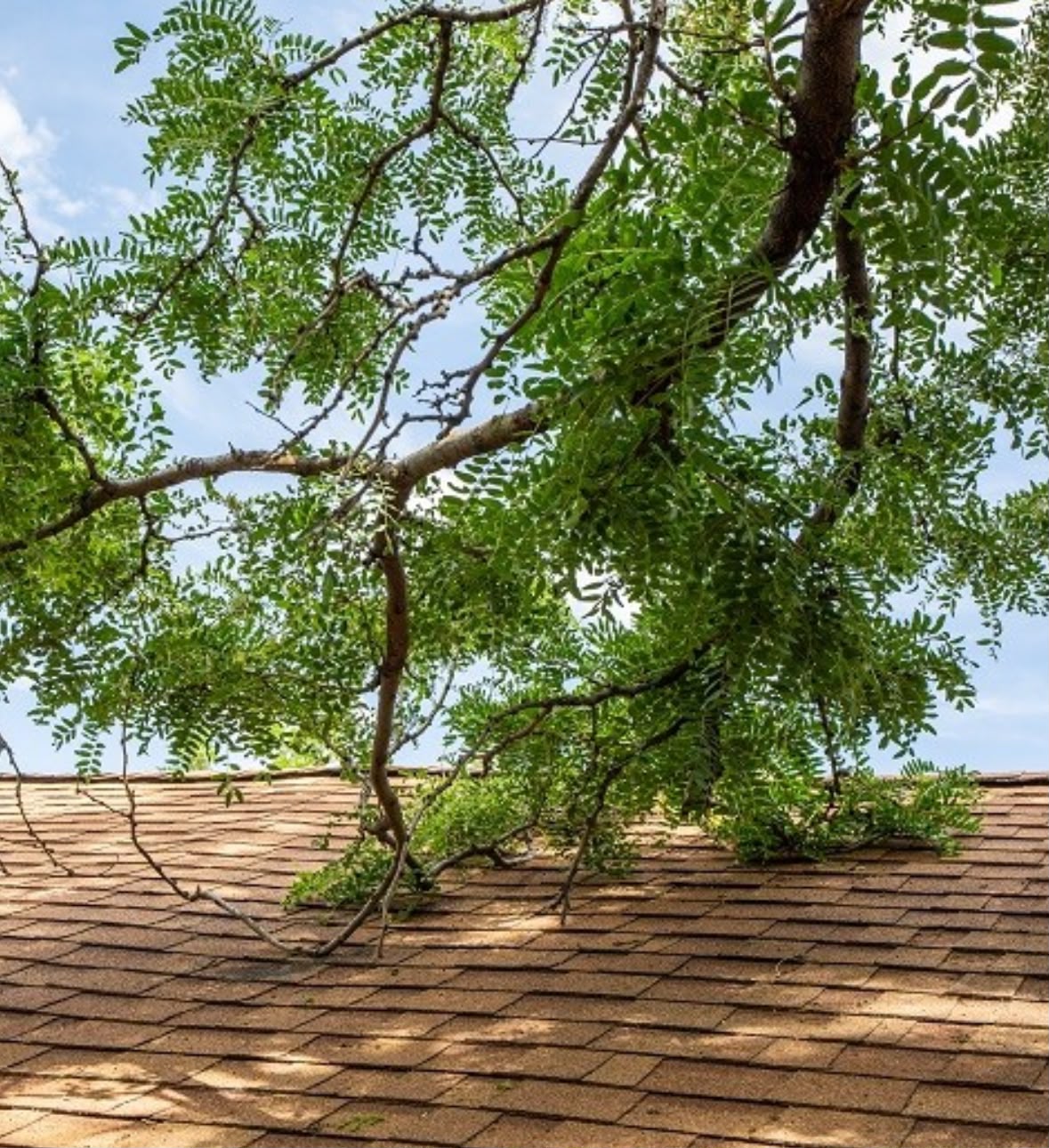
Why Trees Growing Over Your Roof Can Become a Problem

Trees add beauty, shade and value to your property, but when branches begin growing over your roof or touching your home, they can quickly become a maintenance and safety concern.

One of the most common reasons homeowners contact Home Tree Services is because their trees have grown too close to the house. Overhanging branches can drop leaves, berries and small branches onto roofs and into gutters, increasing maintenance and creating potential problems during storms.

Professional building clearance pruning helps maintain healthy trees while providing safe clearance between the tree and your home.

fav-icon

Can Tree Branches Damage Your Roof?

Yes.

Branches that continually rub against roof tiles, gutters or fascia boards can cause unnecessary wear over time, particularly during strong winds.

Trees growing over roofs can also contribute to:

Maintaining appropriate clearance between trees and buildings helps reduce these risks while preserving the health of the tree.

fav-icon

What Is Building Clearance Pruning?

Building clearance pruning is the professional removal of selected branches to create safe separation between a tree and nearby structures.

Rather than removing large sections of the canopy, qualified arborists carefully prune only the branches affecting the property while maintaining the tree’s natural shape, balance and long-term health.

At Home Tree Services, all pruning is carried out in accordance with Australian Standard AS 4373 – Pruning of Amenity Trees, using professional climbing techniques and modern arboricultural practices.

Which Trees Commonly Cause Roof and Gutter Problems?

Learn how tree removal works in Coogee, NSW. Find out about council regulations, arborist advice, tree pruning, stump grinding, and safe tree removal services.

Many mature trees can eventually grow over buildings if they are not regularly maintained.

Some of the species we commonly prune throughout Sydney include:

  • Celtis sinensis (Chinese Hackberry)
  • London Plane
  • Liquidambar
  • Jacaranda
  • Camphor Laurel
  • Ficus species
  • Large Eucalyptus species

Some trees, such as Celtis sinensis and London Plane, can also produce large amounts of berries, leaves or seed pods that accumulate on roofs and in gutters, increasing ongoing maintenance for homeowners.

fav-icon

Building Clearance Pruning in Sydney's Eastern Suburbs

Home Tree Services provides professional building clearance pruning throughout Sydney’s Eastern Suburbs, including:

We also provide tree pruning and arborist services throughout Sydney’s Inner West, including Balmain, Marrickville, Petersham, Leichhardt, Ashfield, Newtown and surrounding suburbs.

fav-icon

Should You Prune Overhanging Branches Yourself?

Small branches may appear easy to remove, but pruning larger trees close to buildings can be dangerous without the right equipment and experience.

Incorrect pruning can damage the tree, create future structural problems and increase safety risks.

A qualified arborist can assess the tree, recommend the appropriate level of pruning and ensure the work is carried out safely while maintaining the health and appearance of the tree.

Professional Building Clearance Pruning in Sydney

If your tree is touching the roof, growing over your gutters or creating maintenance problems around your home, professional building clearance pruning can often solve the issue without removing the tree.

Home Tree Services provides professional tree pruning, building clearance, canopy reduction, stump grinding and arborist services throughout Sydney’s Eastern Suburbs and Inner West.

Whether you have branches touching your roof in Coogee, a large tree overhanging your house in Maroubra, or need building clearance pruning in Randwick, Bondi or Balmain, our experienced team can provide practical advice and safe, professional solutions.

Privet Tree Removal in Sydney

Privet Tree Removal in Sydney

Can You Remove a Privet Tree Without Council Approval?

Privet trees are one of the most common environmental weed species found throughout Sydney and are frequently removed by homeowners and arborists.

If you have a privet tree on your property, one of the first questions you may ask is:

Can I remove a privet tree without council approval?

In many situations, yes.

Privet species, including Large-leaf Privet (Ligustrum lucidum) and Small-leaf Privet (Ligustrum sinense), are widely recognised as environmental weeds throughout New South Wales. Many councils do not require approval to remove privet trees because they are invasive species that spread rapidly and compete with native vegetation.

However, requirements can vary depending on the property, heritage listings, conservation areas and specific planning controls. It is always recommended to obtain professional arborist advice before removing any tree.

fav-icon

Why Is Privet Considered a Weed?

Privet was originally introduced as a garden hedge but has spread extensively throughout Sydney’s bushland and residential areas.

It is considered an invasive species because it:

For these reasons, many councils and environmental organisations encourage the removal of privet trees and replacement with suitable native species.

fav-icon

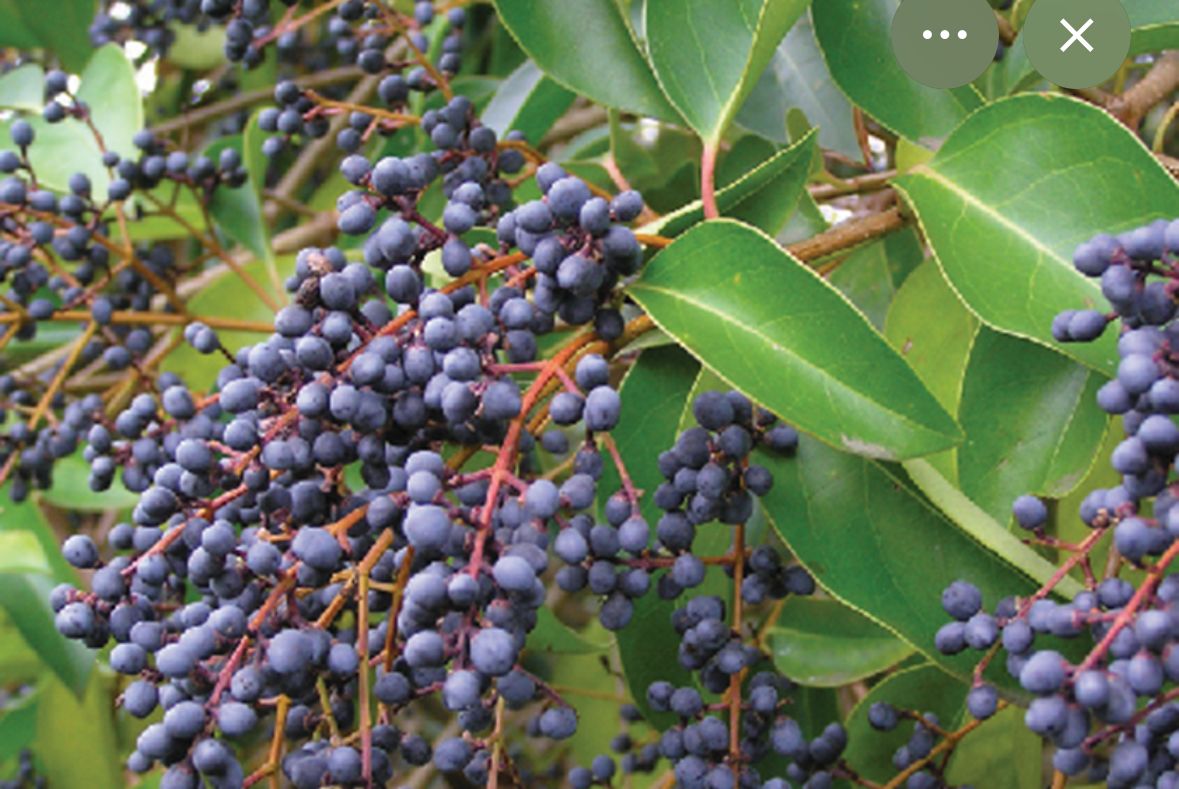
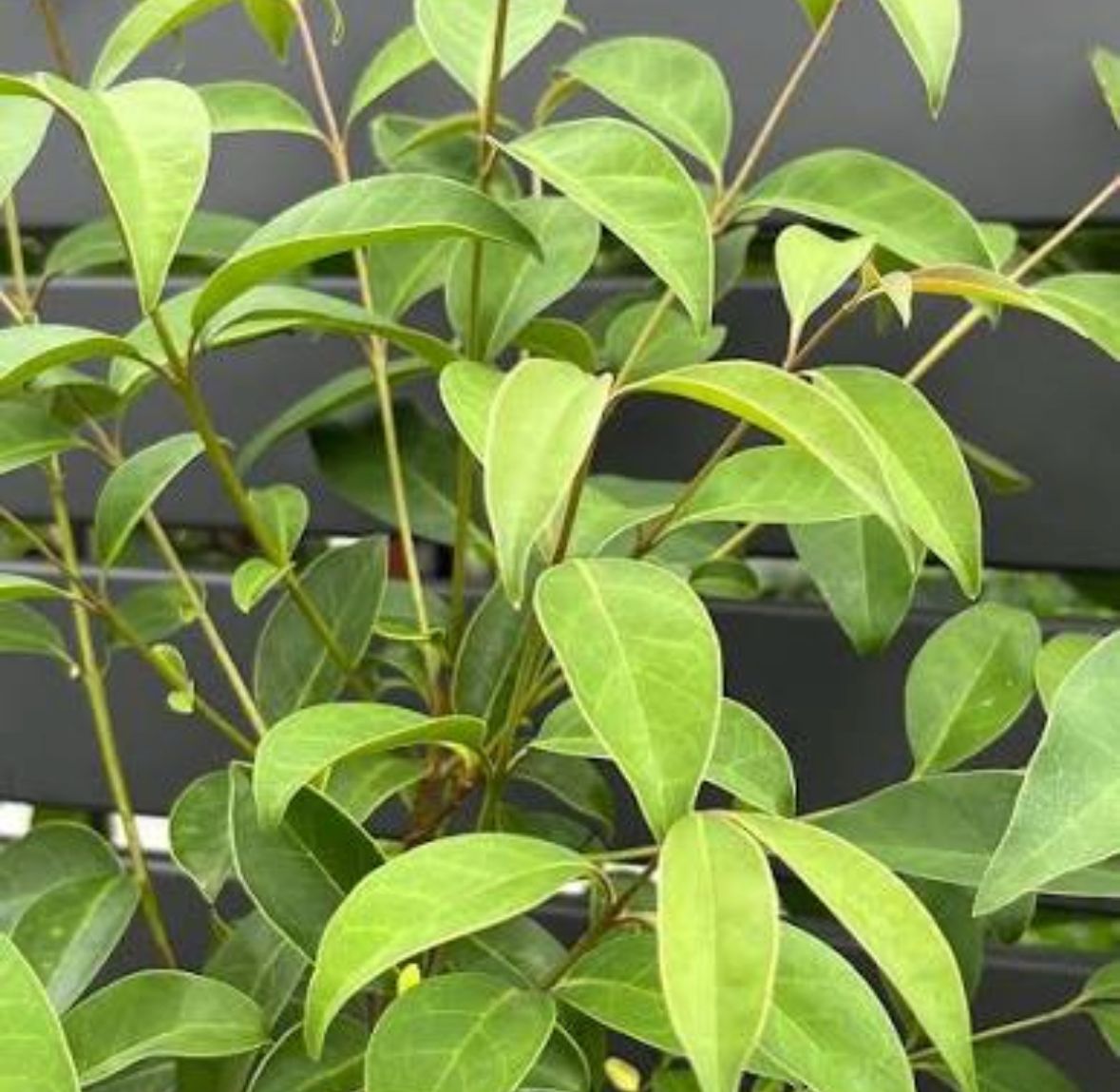
How to Identify a Privet Tree

Privet trees are relatively easy to recognise.

Some common features include:

Because birds spread the seeds, privet trees often appear in fence lines, gardens, parks and bushland without being intentionally planted.

fav-icon

Privet Tree Removal in Sydney's Eastern Suburbs

Learn how tree removal works in Coogee, NSW. Find out about council regulations, arborist advice, tree pruning, stump grinding, and safe tree removal services.

Home Tree Services regularly removes privet trees throughout Sydney’s Eastern Suburbs, including:

Privet trees are commonly found in older gardens where they have self-seeded and become established over many years.

fav-icon

Privet Tree Removal in Randwick City Council

Privet trees are generally recognised as invasive weed species within the Randwick local government area, and their removal is commonly permitted without council approval. Property-specific controls may still apply in some circumstances, such as heritage-listed properties or environmentally sensitive sites.

If you’re unsure whether approval is required, a qualified arborist can assess your property and provide the appropriate advice.

Do You Need an Arborist?

Although privet trees are considered weed species, mature specimens can become surprisingly large and difficult to remove safely.

Professional arborists can:

Looking for Privet Tree Removal?

Home Tree Services provides professional privet tree removal, stump grinding, tree pruning and arborist services throughout Sydney’s Eastern Suburbs, Bayside and Inner West.

If you have a privet tree growing on your property, contact our experienced team for professional advice and a free site assessment.

Can I Remove a Celtis Sinensis Tree Without Council Approval in Sydney?
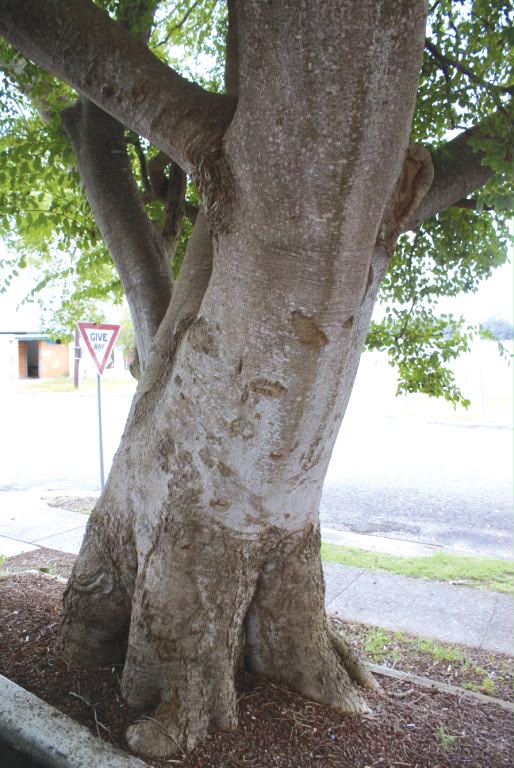
Can I Remove a Celtis Sinensis Tree Without Council Approval in Sydney?
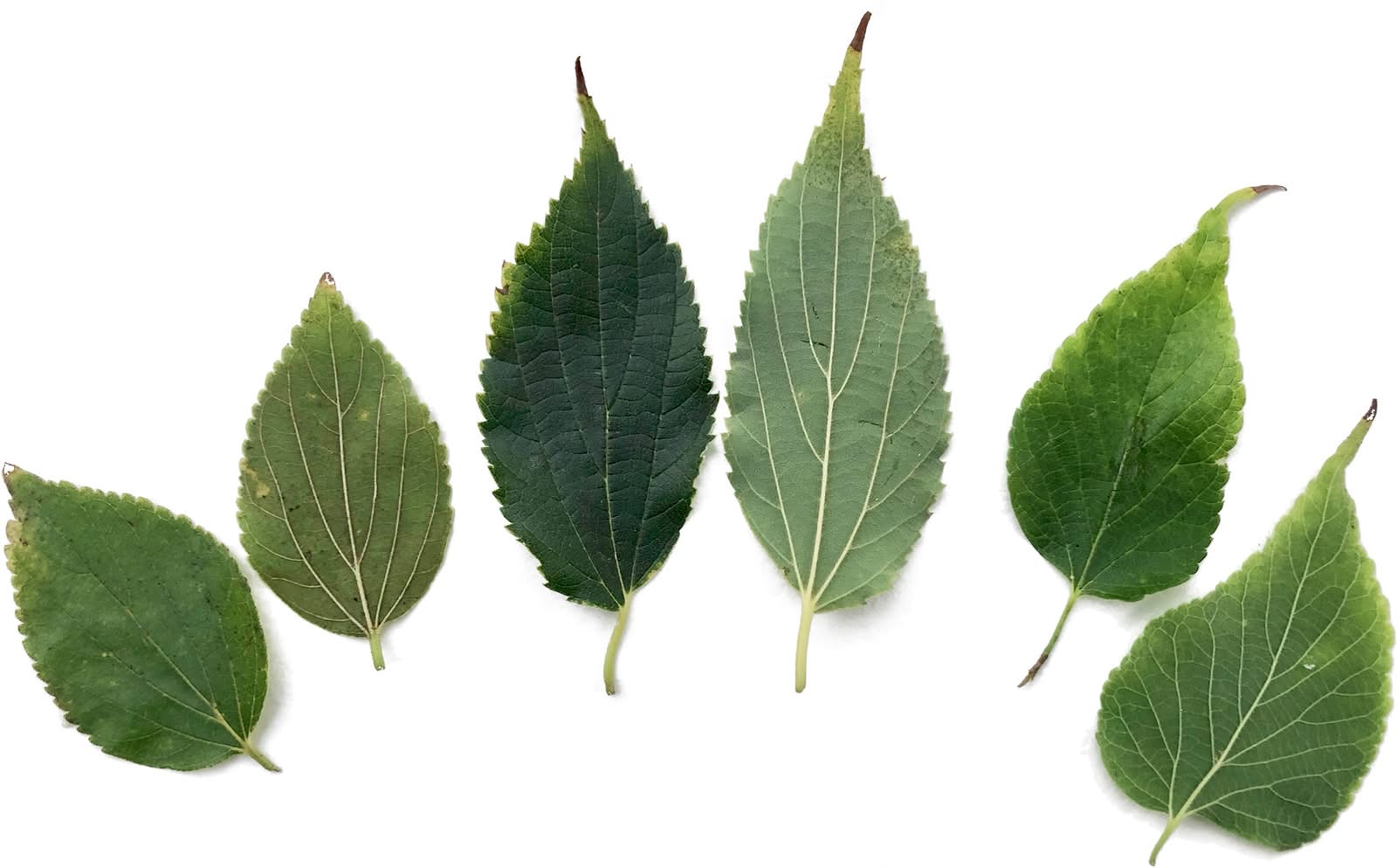
Celtis Sinensis Removal in Sydney - What Homeowners Need to Know

One of the most common weed trees found throughout Sydney is the Celtis sinensis, commonly known as Chinese Celtis or Chinese Hackberry.

This fast-growing deciduous tree is found across many Sydney suburbs, including Coogee, Maroubra, Matraville, Randwick, Kingsford, Mascot, Rockdale, Kyeemagh, Marrickville, Petersham, Ashfield, Stanmore, Leichhardt and surrounding areas.

Because Celtis sinensis spreads aggressively and produces large numbers of seeds, it is widely regarded as an environmental weed in many parts of New South Wales.

One of the questions we are asked regularly is:

Can I Remove a Celtis Sinensis Tree Without Council Approval?

In many situations, yes.

Celtis sinensis is commonly listed as an undesirable or invasive species by a number of Sydney councils and is generally not afforded the same level of protection as significant native trees.

However, council regulations can vary depending on the property’s location, tree size, heritage controls, conservation areas and other planning requirements.

For this reason, it is always recommended to obtain professional arborist advice before removing any tree.

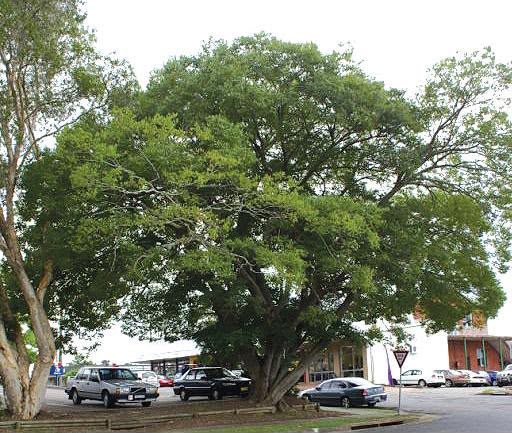
Celtis Sinensis tree Sydney
fav-icon

Why Is Celtis Sinensis Considered a Weed?

Chinese Celtis was originally introduced as an ornamental shade tree. Over time it escaped cultivation and spread into bushland, parks, waterways and residential areas.

Problems associated with Celtis sinensis include:

Because of these reasons, many councils and arborists encourage replacement with more suitable native species.

fav-icon

How To Identify a Celtis Sinensis Tree

Many homeowners are surprised to discover they have a Celtis tree growing in their backyard.

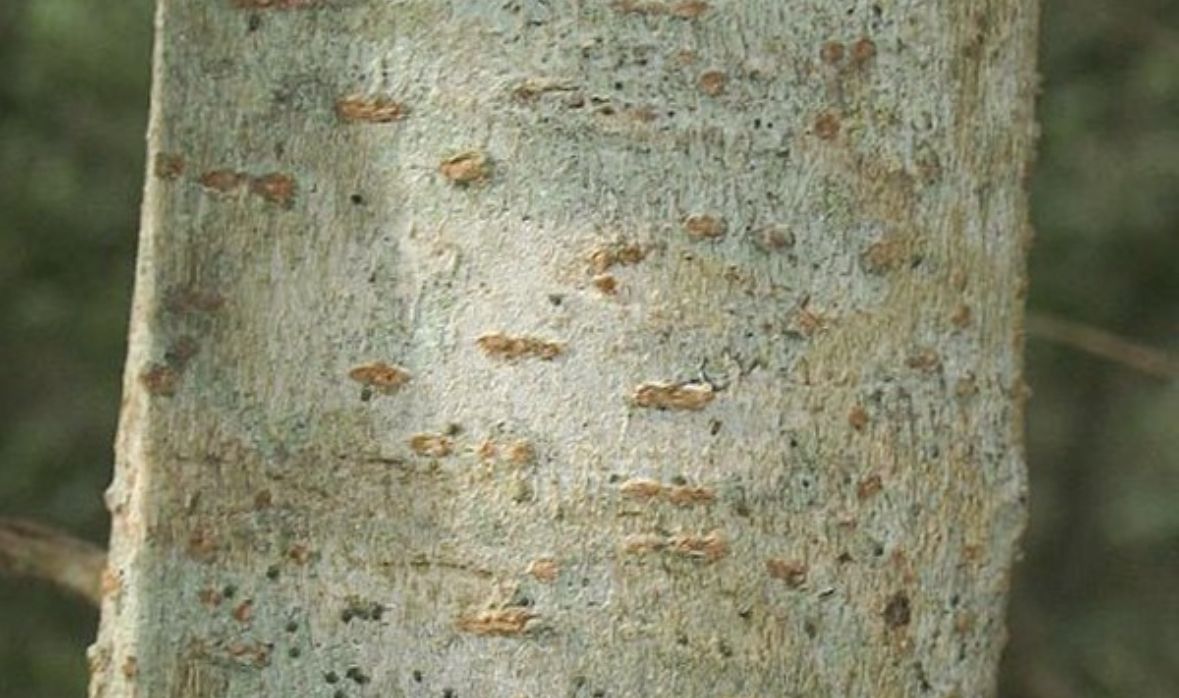
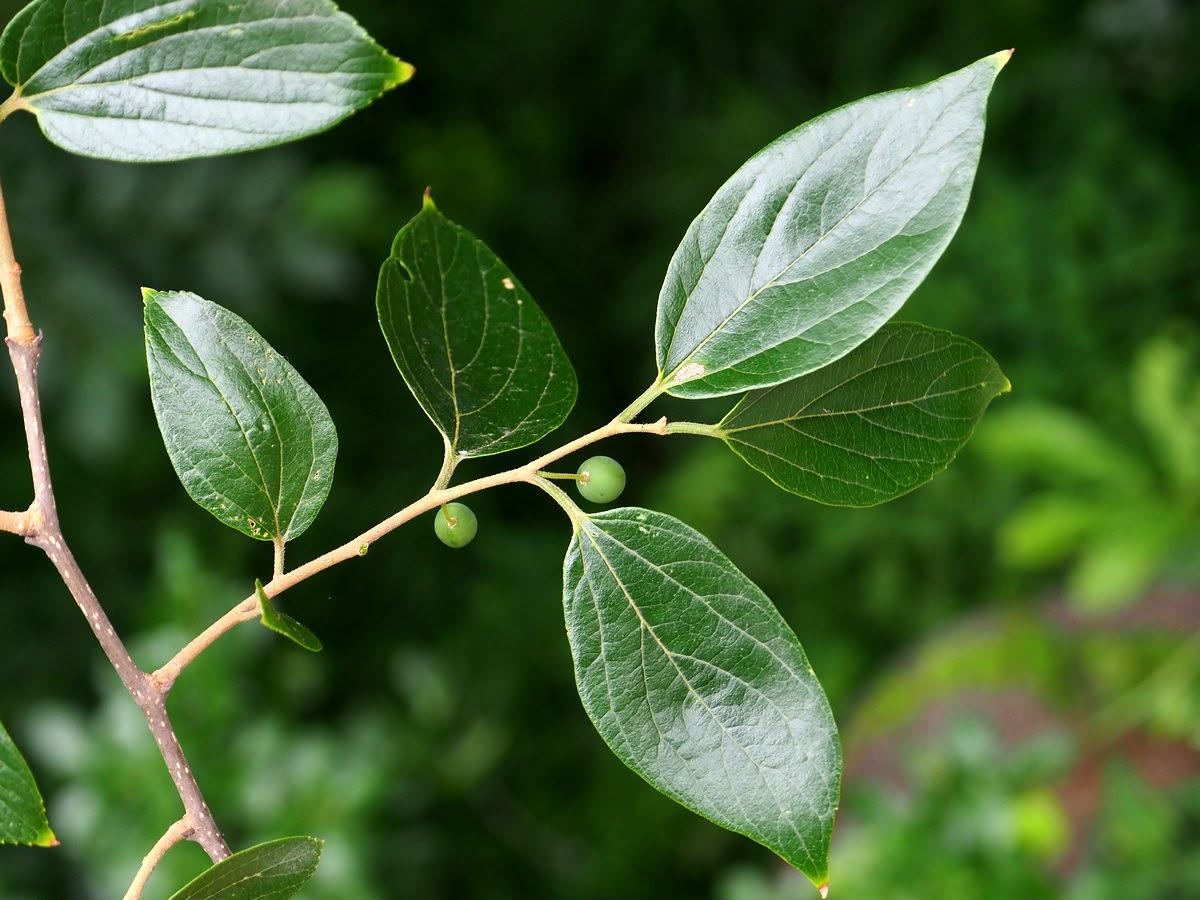
Some common identifying features include:

Young Celtis trees are often found growing naturally in garden beds, fence lines, neighbouring yards and bushland areas after seeds are spread by birds.

fav-icon

Celtis Tree Removal in Sydney's Eastern Suburbs

Weed tree removal Eastern Suburbs Sydney

We regularly assist homeowners with Celtis tree removal throughout Sydney’s Eastern Suburbs, including:

Many of these trees have self-seeded over the years and are now causing issues with fences, retaining walls, foundations and neighbouring properties.

fav-icon

Celtis Tree Removal in Bayside Council Areas

Celtis trees are also commonly found throughout Bayside Council suburbs, including:

Because of their vigorous growth and invasive nature, many property owners choose to remove Celtis trees before they become larger and more expensive to manage.

Celtis Sinensis tree Sydney
fav-icon

Celtis Tree Removal in Sydney's Inner West

Home Tree Services also carries out Celtis removal throughout Sydney’s Inner West, including:

Older Celtis trees are particularly common in established Inner West gardens where they were planted decades ago as shade trees.

fav-icon

Do I Need an Arborist to Remove a Celtis Tree?

We strongly recommend using a qualified arborist when removing Celtis trees.

Even though they are considered a weed species, mature Celtis trees can become very large and may require specialised equipment, climbing techniques and safe dismantling methods.

A qualified arborist can also confirm whether council approval is required for your specific property.

Looking for Celtis Tree Removal in Sydney?

Home Tree Services provides professional Celtis tree removal, stump grinding, tree pruning and arborist services throughout Sydney’s Eastern Suburbs, Bayside and Inner West.

If you think you have a Celtis sinensis tree on your property and would like advice about removal, contact our team for a professional assessment.

Can You Remove a Cocos Palm Without Council Approval in Bondi, Waverley and Randwick?
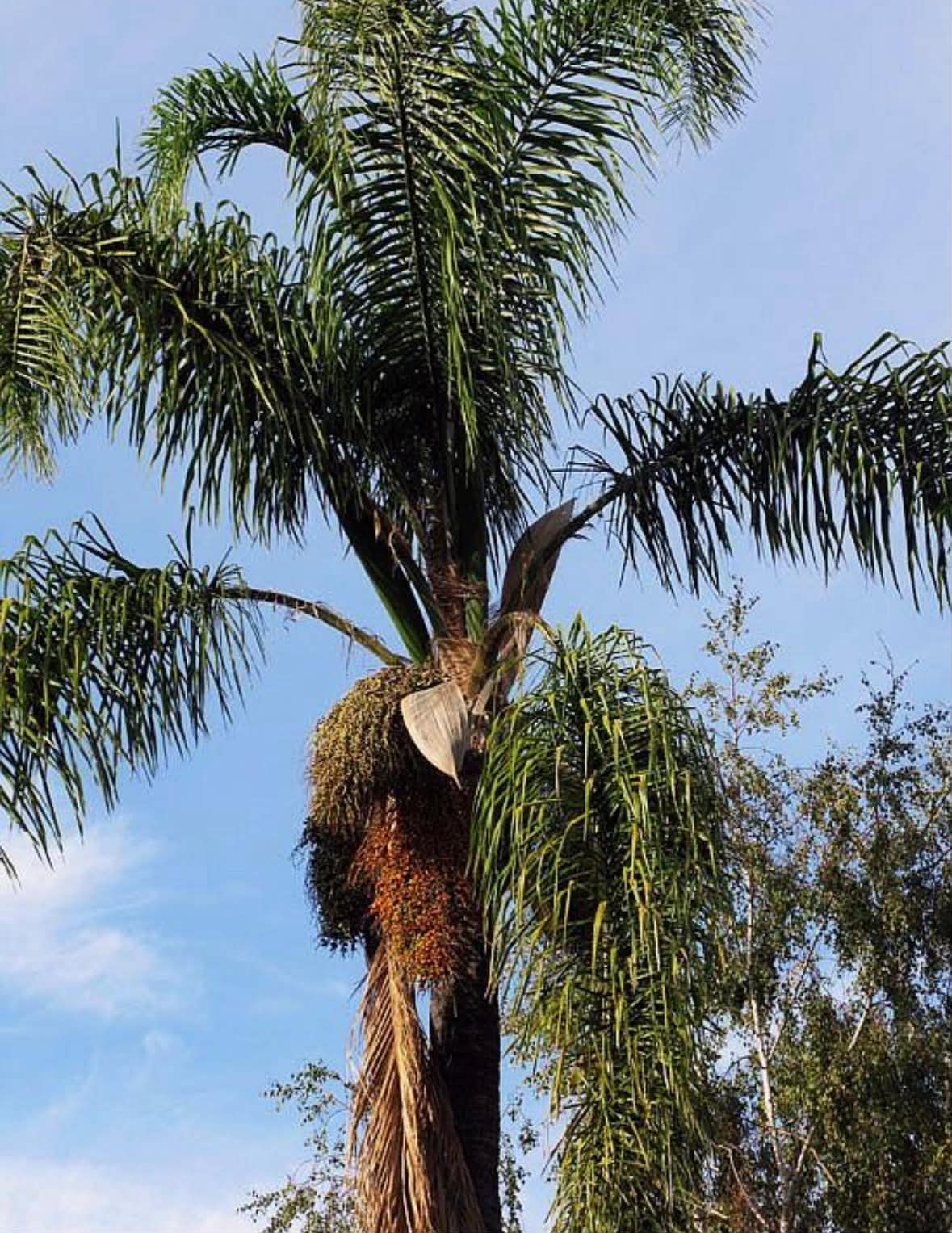
Can you remove a Cocos Palm without council approval in Bondi, Waverley and Randwick?
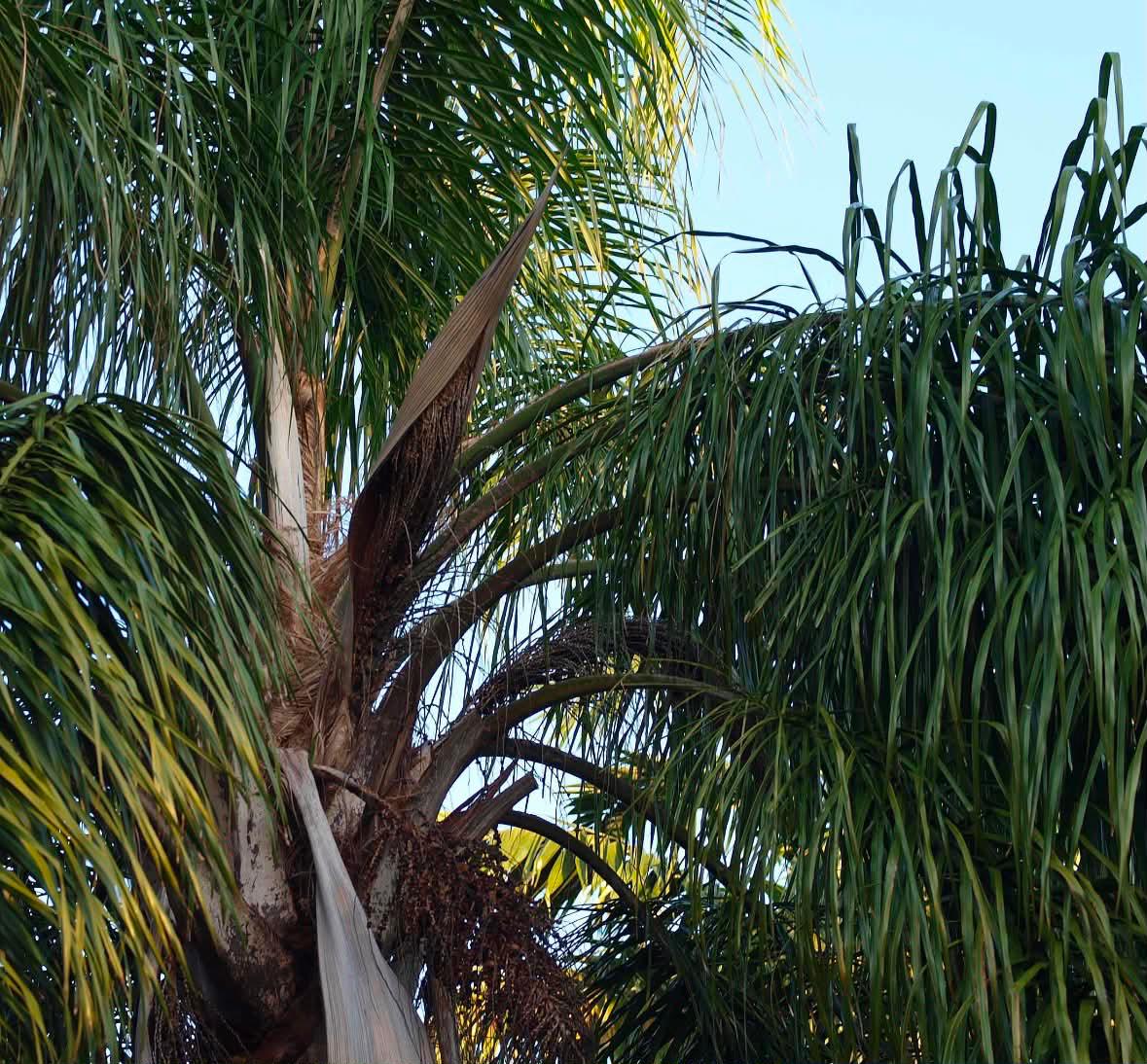
Cocos palms (Syagrus romanzoffiana), also known as Queen Palms, are one of the most commonly removed palm species around Sydney’s Eastern Suburbs. Areas such as Bondi, Bronte, Coogee, Maroubra, Randwick, Clovelly, Matraville, Little Bay and surrounding suburbs often have mature cocos palms growing in backyards, beside pools and close to homes.

One of the most common questions homeowners ask is:

Can I remove a cocos palm without council approval?

In many situations, yes.

Across councils such as Waverley Council and Randwick City Council, cocos palms are generally not considered protected native species. Because they are classified as an introduced palm and are known to self-seed aggressively, removal is often allowed without council approval depending on the size, location and specific property controls.

However, every property is different, especially if:

This is why it is always best to speak with a qualified arborist before removing any tree or palm.

Cocos Palm Removal Bondi showing tall palm tree with fruit clusters and overgrown fronds before removal
fav-icon

Why Are Cocos Palms Commonly Removed?

Cocos palms were planted heavily throughout Sydney decades ago because they grow fast and create a tropical look. Over time though, many homeowners discover they can become difficult to maintain. Some common issues include:

Constant dropping of seeds and fronds
Mess around pools and driveways
Slippery fallen fruit
Attraction of bats and rodents
Self-seeding through gardens and bushland
Large heavy fronds becoming safety hazards
Difficult and expensive maintenance once tall

Because of these reasons, many councils and arborists encourage replacement with more suitable native species.

How To Identify a Cocos Palm

A cocos palm has a few very recognisable features.

Signs your palm may be a cocos palm:

This is why it is always best to speak with a qualified arborist before removing any tree or palm.

Cocos Palm Removal in Randwick Council Areas

Cocos palms are also very common throughout the Randwick Council area including:

In many of these suburbs, cocos palms were planted decades ago and are now reaching heights where pruning becomes more difficult and expensive.

Removal can often improve:

Cocos Palm Removal Bondi with close-up view of palm crown, fronds, and seed pods
fav-icon

Do You Need an Arborist for Palm Removal?

Cocos Palm Removal Bondi showing tall palm tree with fruit clusters and overgrown fronds before removal

Yes. Even though palms can sometimes look simple to remove, mature cocos palms can be dangerous due to:

Using a qualified and insured arborist helps ensure the palm is removed safely and the site is properly cleaned afterwards.

Looking for Cocos Palm Removal in Bondi or Randwick?

Home Tree Services provides professional palm tree removal, tree pruning and arborist services throughout Sydney’s Eastern Suburbs including Bondi, Maroubra, Coogee and surrounding areas.

We can also help identify your palm species and advise whether council approval may be required before removal.

How to avoid up to $500,00 fine for Unauthorised Tree Services in Mosman!

Home Tree Service’s Guide to Tree work in Mosman Council

Unauthorised Tree Services in Mosman Area, whether it’s Tree Removal, Tree Pruning or Tree Cutting,  may result in significant fines, reaching up to $500,000 for individuals or even a

Criminal prosecution. Read this to avoid it!

At Home Tree Services, we value the time, safety and money of all our clients, so we put a list of valuable information together that can help you in the initial steps to execute any Tree Services in Sydney.

If you need any Tree Services / Tree Removal in Sydney, contact us here!

Do I need a council permit to prune or remove my tree?

Yes, for tree works that do not meet the following conditions.

Tree work that can be done without council approval


  • Removal of dead branches in accordance with AS 4373-2007 Pruning of Amenity Trees
  • Removal of dead trees unless they are providing habitat for native fauna
  • Noxious weeds declared as such by the NSW Department of primary industries
  • Any works on trees under 5m in height, a diameter less than 1500mm at 300mm above ground level
  • Remedial works on a tree that is an imminent danger to human life or property as evidenced by written confirmation from a AQF5 qualified arborist
  • Pruning to clear power lines, however this is performed by Ausgrid for trees on both private and public land

Exemptions


Tree removal or pruning may be carried out to the following species of tree:

Botanical Name Common Name
Carica papaya Paw Paw
Cinnamomum camphora (if under 10m) Camphor Laurel
Celtis australis Hackberry
Citris spp. Citris
Cotoneaster spp. Cotoneaster
Cupressus spp. Cypress
Erythrina x sykesii Coral tree
Ficus elastica Rubber tree
Hibiscus spp. Hibiscus
Lagunana patersonii Norfolk Island Hibiscus
Ligustrum spp. Privet
Morus Mulberry
Nerium oleander Oleander
Olea europaea subsp. Cuspidate Wild olive
Prunus spp. Prunus
Salix spp. Willows
Schefflera actinophylla Umbrella Tree
Syagrus romanzoffianum Cocos Palm
xCupressocyparis Leylandii Leighton Cypress

Who Performs Tree Work


To ensure best practises and safety all tree works should be carried out by a minimum of AQF III Arboriculture certified arborist.


Home Tree Services is fully qualified to execute any Tree Services; contact us here!
What happens when you damage or cut trees that require a permit without one?


If damage is done without permit the offender is liable to consequences ranging from a warning letter, fines or prosecution.

What to do in case you realise a tree has been illegally damaged?

If unauthorised tree work is suspected the details of the incident should be noted and reported immediately to Council to aid investigation into tree vandalism.

Who removes trees on public land and streets?

The management of trees on public lands is the responsibility of the council, therefore any removal or pruning work will be performed by them. However there is an application process by which residents may be given permission to take over tree works on public lands,

Ready to proceed with the Tree Services in the Mosman Area?

Contact us here!


Disclaimer


The information above functions as a guide and therefore should not be used as final reference before undertaking any tree removal or pruning. Always refer to your council policy and/or a qualified arborist before undertaking any tree work.

Updated: 29/09/2022

Get a Quote

    fullname

    Comments

    Phone No

    Service

    Suburb

    ×