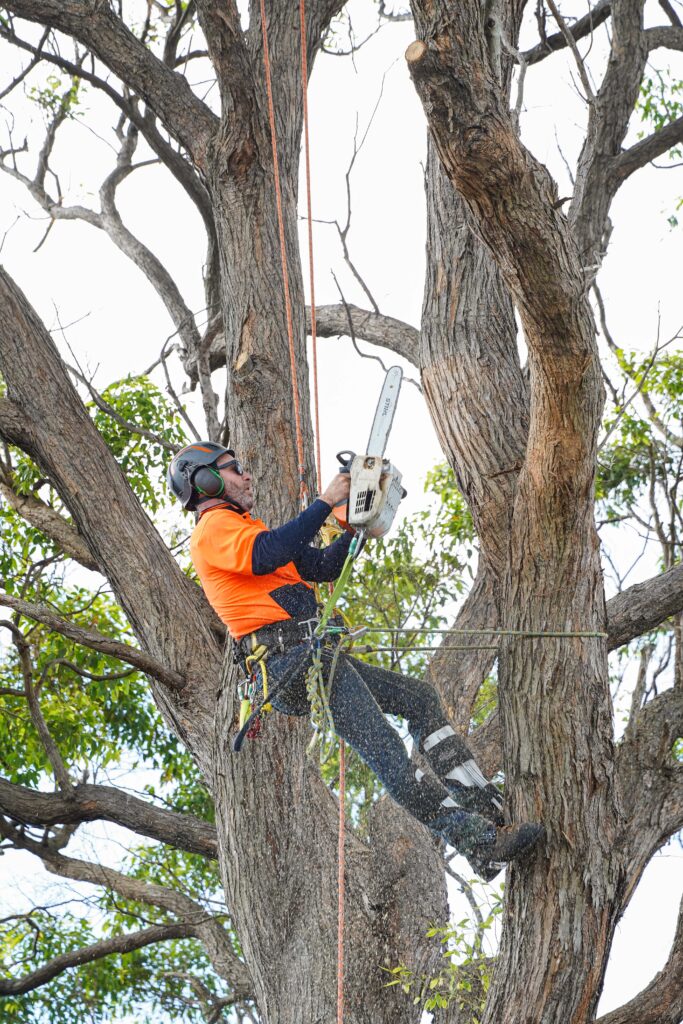
In Sydney and across many parts of Australia trees can be a lovely part of the urban landscape… until they start crossing the fence of good neighbourly relations.
If your neighbour’s tree is overhanging into your yard, you might be wondering: “Can I trim it?” “Who’s responsible?” “Should I contact the council?”
The best advice? It’s simple, and often overlooked:
“It really starts with a conversation with your neighbour, rather than going down the formal legal path.”
That’s right try to resolve things through dialogue first. A friendly chat can go a long way (and save a lot of stress.
So, who’s responsible for the tree?
It depends. Generally, the tree belongs to the person whose land the trunk grows from. But if it extends over the boundary, you’re allowed to trim the overhanging parts as long as you stay within your property and don’t damage the tree.
Local councils have their own rules.
Some trees are protected species and require council approval before you can cut or remove anything even if it’s growing into your yard. Always check your local regulations before taking action.
To sum it up:
1.Talk to your neighbour first.
2.Check the rules with your local council.
3.Legal action should always be the last resort.
Living in community means growing together, and with good communication, everything thrives better.
We are here to ensure that your trees remain healthy and safe. If you need assistance, do not hesitate to get in touch!
Visit Us www.hometrees.com.au
Give Us a Call: 0408 716 264
Drop Us an Email: fabiano@hometrees.com.au


Planting trees is one of the best ways to enhance your space, improve air quality, and increase the value of your property. However, successful planting involves much more than simply choosing the right species. The location, ongoing care, and maintenance are crucial to ensuring that your trees grow healthy and safe.
Choosing the Right Location
The first consideration when planting trees should always be safety. It’s vital to ensure that trees are planted a safe distance from structures such as buildings, fences, and power lines. This not only prevents future damage but also protects the integrity of the roots, which can compromise foundations if planted too close. Additionally, it’s important to consider the space available for the tree’s growth, as some species can become quite large in both height and width.
Understanding Tree Forms
Before planting, it’s beneficial to familiarise yourself with the various tree forms:
– Broad canopies: Ideal for providing shade and landscaping in open areas.
– Narrow forms: Perfect for smaller spaces or pathways.
– Pyramidal shapes: Great for creating a formal appearance.
Assessing Soil Quality
Another important factor is soil quality. Conducting a soil analysis can help determine whether it is suitable for the chosen species. Healthy soil is essential for root development, which, in turn, ensures the tree’s health.
Recommended Native Species
When selecting tree species, local councils often recommend native trees. Some excellent options include:
– Eucalyptus: Known for their aromatic leaves and adaptability to various climates, species like Eucalyptus citriodora (lemon-scented gum) are popular choices.
– Melaleuca: Also known as tea trees, such as Melaleuca alternifolia, these are fantastic for gardens and help attract wildlife.
– Callistemon: With their vibrant flowers, bottlebrush trees (Callistemon spp.) are perfect for adding colour and attracting native birds.
– Acacia: Acacias, like Acacia pycnantha (golden wattle), are often chosen for their resilience and beauty.
Care and Maintenance
Once planted, ongoing care is essential. Regular watering, especially during the first few years, is crucial to ensure the tree establishes itself properly. Keeping the soil moist without waterlogging is key to success.
Regular pruning is also important to remove any dead or diseased branches, promoting healthy growth and preventing potential safety issues. Be vigilant for signs of pests or diseases; early detection can save your tree from more serious complications down the line.
Applying mulch around the base of the tree is another valuable tip. This not only helps retain moisture and regulate soil temperature but also reduces the growth of weeds that might compete for nutrients.
Prioritising Safety
Above all, remember that choosing a safe location for planting large trees is of utmost importance. This protects not only your property but also the safety of neighbours and passers-by. Poorly positioned trees can cause significant damage, especially during storms or strong winds.
Planting trees is an investment in the future of your space and the environment. By following these guidelines on location and care, you’ll be well on your way to cultivating healthy and secure trees.
At Home Tree Services, we are here to assist with planting, maintenance, and care for your trees. Our team of experts can provide guidance and high-quality services to ensure your trees thrive.
Call: 0408 716 264
Email: fabiano@hometrees.com.au
Let’s work together to care for your green space and create a more beautiful and sustainable environment!
credit: North Sydney Council
Trees not only beautify your space but also bring financial benefits. For instance, a tree that blocks natural light can increase electricity usage and, consequently, your bills.
Additionally, regular tree maintenance contributes to the safety of your property and everyone who lives there. However, before carrying out any services, such as tree removal, pruning, or cutting, it is essential to conduct a proper assessment.
At Home Tree Services, we value our clients’ time, safety, and money. We can assist with any tree-related issues, including:
– Lack of sunlight
– Damage to service lines or roofs
– Excessive leaf drop creating mess
– Neighbour complaints
– Dangerous dead wood falling
– Trees in hazardous locations
We offer a free site inspection and guidance on council regulations. Our team of experts includes ISA-certified arborists from Tafe NSW, ensuring that your trees receive the care they deserve.
If you are dealing with fallen leaves or want to ensure the health of your trees, please get in touch with us!
✅ We treat your property with care and respect.
✅ We provide advice on maintenance for long-term results.
✅ Fair and transparent pricing.
Trust Home Tree Services to care for your garden and the environment with professionalism and dedication. Together, we can keep your property safe and beautiful.


Tree removal can be necessary to maintain the safety and wellbeing of your space. At Home Tree Services, we understand the value of every tree, but also recognise when removal becomes the most responsible choice, especially during heavy rain, strong winds, and waterlogged soil, which increase the risk of falling branches or uprooted trees.
Our process begins with a thorough assessment, where we identify potential hazards and discuss all available options with you. We then develop a safe and carefully planned removal strategy that minimises impact on surrounding structures and plants. Using state-of-the-art equipment and expert techniques, we carry out the removal efficiently and with full attention to safety.
Afterwards, we ensure the area is left clean and tidy, and offer sustainable options for repurposing the wood, such as turning it into mulch for your garden.
More than just a service, we offer a commitment: to care for your home and explore alternatives like pruning and treatment before opting for removal. If you’re concerned about a tree’s stability, especially during storm season, reach out for a professional inspection.
Home Tree Services: safe, responsible, and respectful tree removal, every time.
Call Fabiano: 0408 716 264
Email: Fabiano@hometrees.com.au
Get a Free Quote Now!
WWW.HOMETREES.COM.AU


Signs That Your Tree Needs Maintenance
Trees are a fundamental part of our environment, but like any living being, they also face challenges. Keeping your trees healthy is crucial for the safety and aesthetics of your property. Here are some signs that your trees may need care:
Yellowing or Prematurely Falling Leaves:
If you notice that the leaves of your tree are turning yellow or falling off before their usual time, this may be a sign of water stress, disease, or nutrient deficiencies. A specialist from Home Tree Services can help identify the cause and recommend corrective actions.
Broken or Dead Branches:
Broken or dead branches not only affect the tree’s appearance but can also be dangerous. They may fall and cause damage to property or injure someone. Regular pruning is important to remove these branches, and our arborists are ready to ensure that the pruning is done safely and effectively.
Irregular Growth
If your tree is growing unevenly, with one side taller or denser than the other, it may indicate that it is competing for light or nutrients. Home Tree Services can conduct an assessment to understand the best way to promote balanced growth.
Cracked or Damaged Bark:
Damage to the bark, cracks, or spots can be signs of pests or diseases. Regularly inspecting the tree’s bark can help detect problems before they become serious. Our specialists can diagnose and treat these issues, ensuring your tree’s health.
Exposed or Damaged Roots:
Exposed roots may indicate that the tree is unstable or that the soil around it has eroded. This can be dangerous, especially in adverse weather conditions. Home Tree Services offers inspections to check the health of the roots and suggest solutions to stabilise the tree.
Why Maintenance is Important:
Caring for your trees is not just a matter of aesthetics; it’s a matter of safety. Neglected trees can pose risks, such as falling branches or complete falls during storms. By conducting regular inspections and maintenance, you can ensure that your trees remain healthy and safe for you and your family.
How Home Tree Services Can Help:
At Home Tree Services, we offer a full range of services to care for your trees:


While trees provide beauty and benefits, there are times when they can become a danger to your property. In the Eastern Suburbs of Sydney, where storms and high winds can cause sudden tree damage, homeowners need to stay vigilant. Knowing when it’s time to remove a tree can prevent damage, injuries, and costly repairs. Trees that show signs of decay, instability, or storm damage may need to be removed before they become a hazard.
Visible decay or disease, such as deadwood, fungal growth, or large hollow sections in the trunk, may indicate that a tree is structurally weak and at risk of collapsing. If a tree suddenly begins to lean, it could be due to root damage or instability, requiring immediate assessment. Construction, erosion, or disease can also weaken roots, making the tree unable to support itself. Additionally, storm damage, such as broken or hanging limbs, can create immediate dangers. If a tree is shedding excessive leaves out of season or has a thinning canopy, it may be struggling to survive and require removal.
Trees: Eucalypts are among the fastest-growing trees, reaching heights of up to 60 metres, and they need regular pruning to prevent heavy branches from breaking during storms.
If you adore the stunning purple flowers of the Jacaranda, remember it requires care too—pruning after flowering helps maintain its shape.
The Moreton Bay Fig provides lovely shade but requires regular inspections of its roots and branches. Meanwhile, the vibrant bottlebrush attracts birds and benefits from a trim after flowering to keep it healthy and beautiful.
Paperbark trees are another local favourite, known for their distinctive bark; they also need regular maintenance to encourage healthy growth.
The banksia, which is essential for local wildlife, grows well with proper care and pruning.
Tallowwood trees, reaching up to 50 metres, require inspections to prevent issues, while the brush box is valued for its resilient wood and benefits from routine pruning to remove any dead or diseased branches.
Why Regular Care Matters?
Caring for these trees is crucial, not just for aesthetics but also for safety. Neglected trees can lead to falling branches or even complete falls. That’s why Home Tree Services offers a full range of services:


Caring for your trees is an investment in the beauty and safety of your space. Let’s work together to ensure they are healthy and ready to face winter this Autumn!
While trees provide beauty and benefits, there are times when they can become a danger to your property. In the Eastern Suburbs of Sydney, where storms and high winds can cause sudden tree damage, homeowners need to stay vigilant. Knowing when it’s time to remove a tree can prevent damage, injuries, and costly repairs. Trees that show signs of decay, instability, or storm damage may need to be removed before they become a hazard.
Visible decay or disease, such as deadwood, fungal growth, or large hollow sections in the trunk, may indicate that a tree is structurally weak and at risk of collapsing. If a tree suddenly begins to lean, it could be due to root damage or instability, requiring immediate assessment. Construction, erosion, or disease can also weaken roots, making the tree unable to support itself. Additionally, storm damage, such as broken or hanging limbs, can create immediate dangers. If a tree is shedding excessive leaves out of season or has a thinning canopy, it may be struggling to survive and require removal.
If you’re looking to enhance your property’s value, tree care should be a priority. In Sydney’s Eastern Suburbs, where homes are surrounded by lush greenery, well-maintained trees not only add beauty but also significantly increase market appeal. A home with healthy, mature trees is often more attractive to buyers, offering shade, privacy, and an inviting atmosphere.
Studies show that properties with mature trees can sell for up to 15% more than those without, making tree care a valuable investment. Strategically placed trees improve energy efficiency by providing shade in summer, reducing cooling costs, and acting as a windbreak in winter. A well-landscaped yard with thriving trees makes a strong first impression on potential buyers, increasing curb appeal. On the other hand, untrimmed or damaged trees can pose risks such as falling branches or invasive roots damaging driveways and foundations. Proper maintenance prevents costly repairs and ensures your trees remain an asset rather than a liability.