Can I Remove a Celtis Sinensis Tree Without Council Approval in Sydney?
Celtis Sinensis Removal in Sydney - What Homeowners Need to Know
One of the most common weed trees found throughout Sydney is the Celtis sinensis, commonly known as Chinese Celtis or Chinese Hackberry.
This fast-growing deciduous tree is found across many Sydney suburbs, including Coogee, Maroubra, Matraville, Randwick, Kingsford, Mascot, Rockdale, Kyeemagh, Marrickville, Petersham, Ashfield, Stanmore, Leichhardt and surrounding areas.
Because Celtis sinensis spreads aggressively and produces large numbers of seeds, it is widely regarded as an environmental weed in many parts of New South Wales.
One of the questions we are asked regularly is:
Can I Remove a Celtis Sinensis Tree Without Council Approval?
In many situations, yes.
Celtis sinensis is commonly listed as an undesirable or invasive species by a number of Sydney councils and is generally not afforded the same level of protection as significant native trees.
However, council regulations can vary depending on the property’s location, tree size, heritage controls, conservation areas and other planning requirements.
For this reason, it is always recommended to obtain professional arborist advice before removing any tree.
Why Is Celtis Sinensis Considered a Weed?
Chinese Celtis was originally introduced as an ornamental shade tree. Over time it escaped cultivation and spread into bushland, parks, waterways and residential areas.
Problems associated with Celtis sinensis include:
Rapid growth
Large quantities of seeds
Easy self-seeding
Invasion of bushland areas
Damage to gardens and landscaped areas
Ongoing maintenance requirements
Because of these reasons, many councils and arborists encourage replacement with more suitable native species.
How To Identify a Celtis Sinensis Tree
Many homeowners are surprised to discover they have a Celtis tree growing in their backyard.
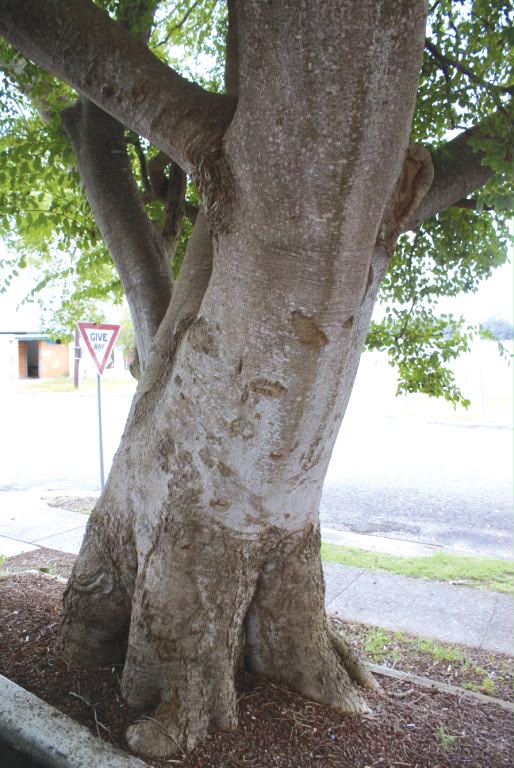
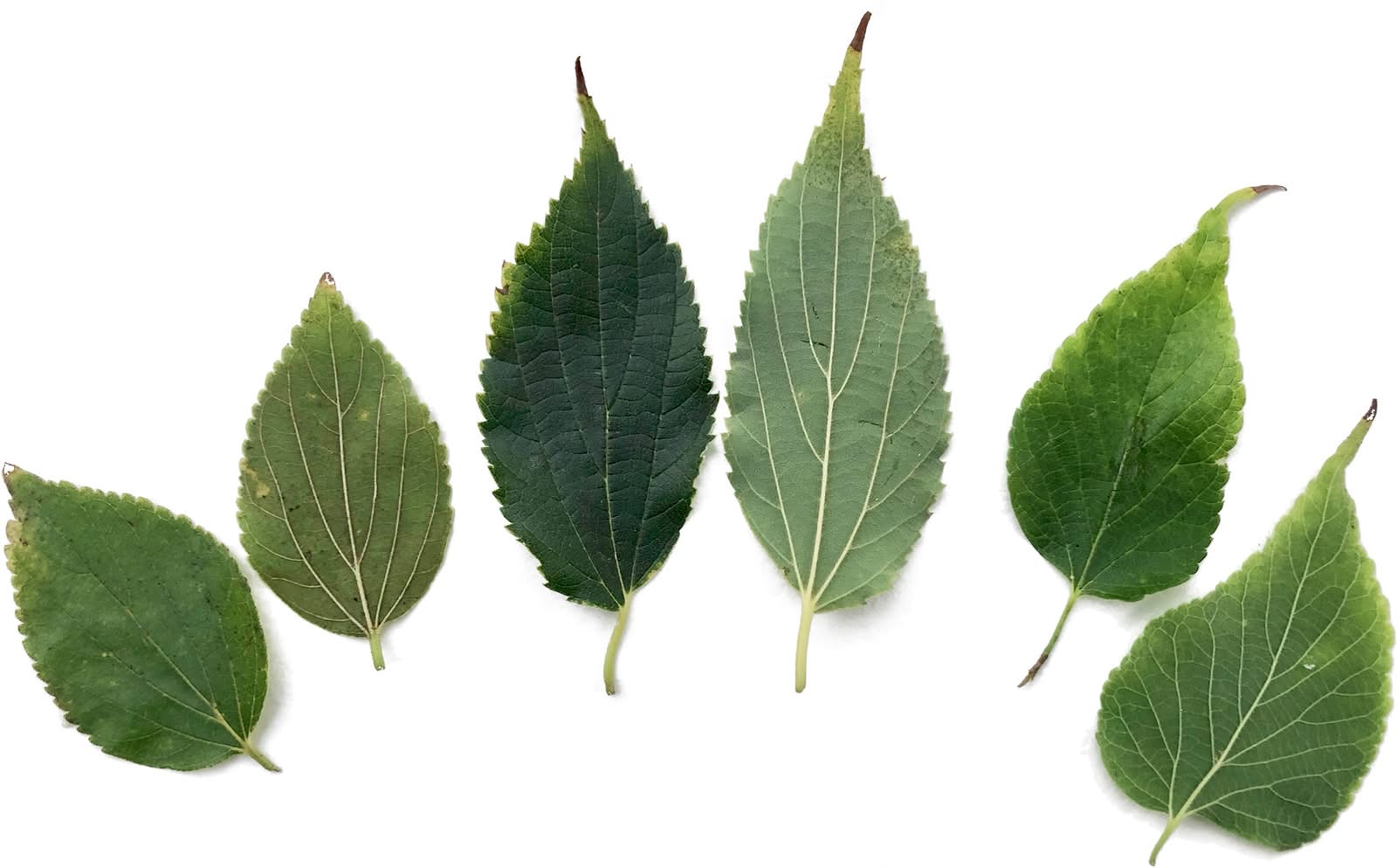
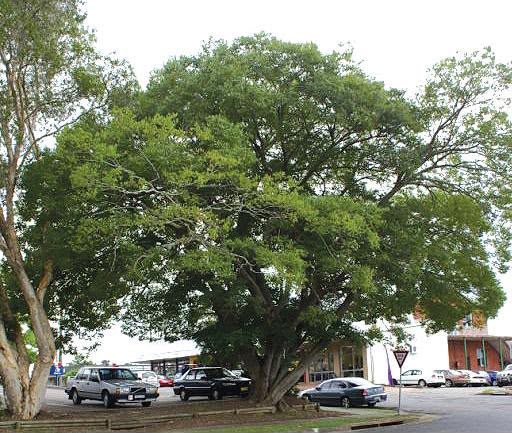
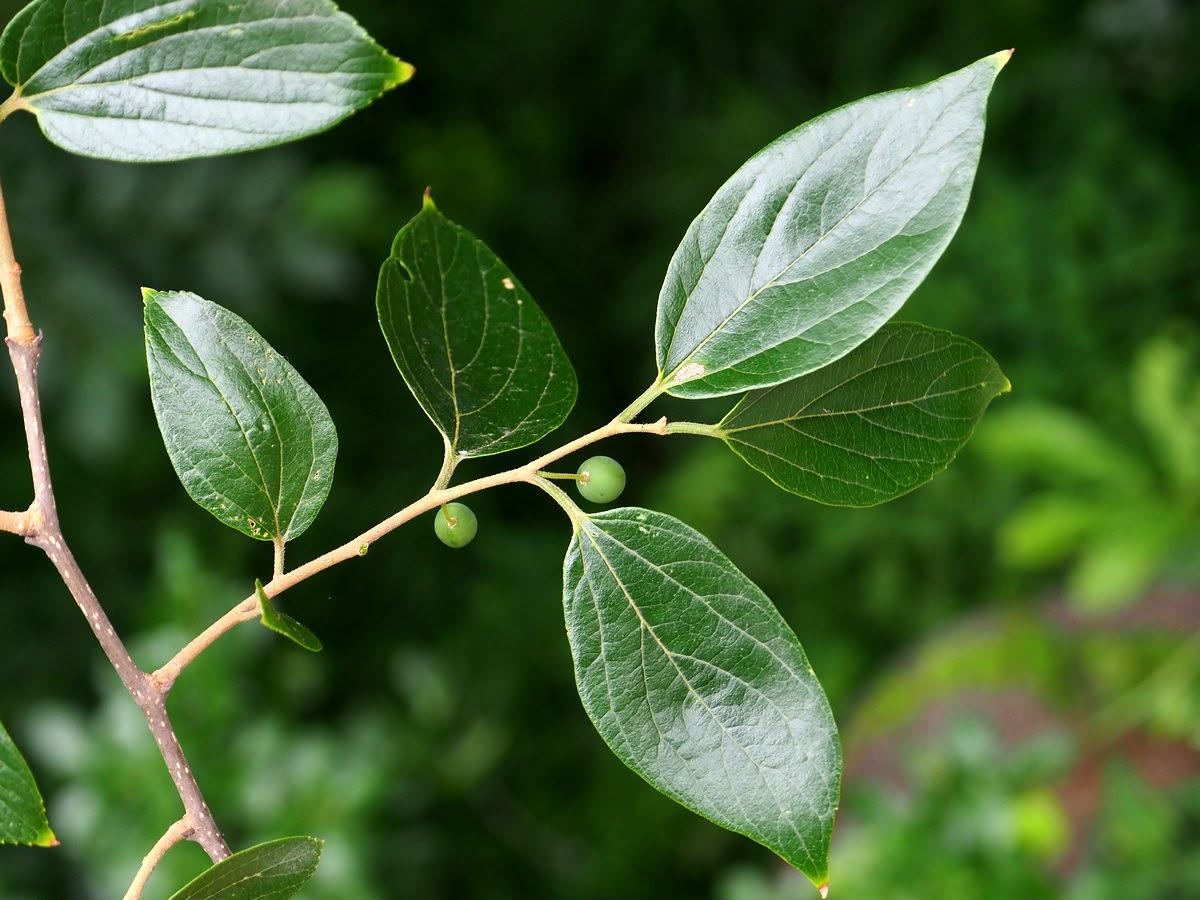
Some common identifying features include:
Deciduous tree (loses leaves during winter)
Rounded canopy
Smooth grey bark on younger trees
Small dark purple to black berries
Bright green leaves with a slightly serrated edge
Fast-growing habit
Young Celtis trees are often found growing naturally in garden beds, fence lines, neighbouring yards and bushland areas after seeds are spread by birds.
Celtis Tree Removal in Sydney's Eastern Suburbs
We regularly assist homeowners with Celtis tree removal throughout Sydney’s Eastern Suburbs, including:
Coogee
Maroubra
Randwick
Matraville
Kingsford
Clovelly
South Coogee
Malabar
Little Bay
Kensington
Many of these trees have self-seeded over the years and are now causing issues with fences, retaining walls, foundations and neighbouring properties.
Celtis Tree Removal in Bayside Council Areas
Celtis trees are also commonly found throughout Bayside Council suburbs, including:
Mascot
Rockdale
Brighton-Le-Sands
Monterey
Ramsgate
Sans Souci
Kyeemagh
Banksia
Bexley
Because of their vigorous growth and invasive nature, many property owners choose to remove Celtis trees before they become larger and more expensive to manage.
Celtis Tree Removal in Sydney's Inner West
Home Tree Services also carries out Celtis removal throughout Sydney’s Inner West, including:
Marrickville
Petersham
Leichhardt
Stanmore
Ashfield
Dulwich Hill
Newtown
Enmore
Summer Hill
Older Celtis trees are particularly common in established Inner West gardens where they were planted decades ago as shade trees.
Do I Need an Arborist to Remove a Celtis Tree?
We strongly recommend using a qualified arborist when removing Celtis trees.
Even though they are considered a weed species, mature Celtis trees can become very large and may require specialised equipment, climbing techniques and safe dismantling methods.
A qualified arborist can also confirm whether council approval is required for your specific property.
Looking for Celtis Tree Removal in Sydney?
Home Tree Services provides professional Celtis tree removal, stump grinding, tree pruning and arborist services throughout Sydney’s Eastern Suburbs, Bayside and Inner West.
If you think you have a Celtis sinensis tree on your property and would like advice about removal, contact our team for a professional assessment.